October ended with a change of scenery for the Building Energy Exchange (BE-Ex) team, as we swapped desks for a booth at Greenbuild International Conference and Expo 2026! Held at the Javits Center, the conference brought together exhibitors from across the building industry, from suppliers and service providers to government agencies and nonprofits.
Our booth was stocked with BE-Ex resources, and team members took shifts staffing it throughout the show. Between handing out materials and sharing our latest projects, we had plenty of memorable conversations with fellow exhibitors and attendees, and we came away with invaluable new connections.

The BE-Ex team all together on day 2 of the conference.
Beyond the Expo Hall, our team contributed to two conference sessions, one as a panelist and one as the host of a workshop:
Decarbonize by Design: The Transformative Impact of Charrettes
On Tuesday, October 20th, BE-Ex participated in a panel during the Strategic Decarbonization Session. The session featured speakers from Bright Power, Paths, CBRE, and NYSERDA, and was moderated by our CEO, Richard Yancey. The conversation explored how project teams in NYSERDA’s Empire Building Challenge (EBC) are using design charrettes and Strategic Decarbonization Planning (SDP) to question assumptions and combat business-as-usual thinking.
The affordable housing development, Whitney Young Manor, exemplified the value of this kind of approach. By bringing everyone from maintenance staff to owners into the conversation early, the project team developed a retrofit plan built to last. The panelists made the case that the best decarbonization measures are tailored to each building’s unique needs, and that the people who know a building best should help shape the plan.
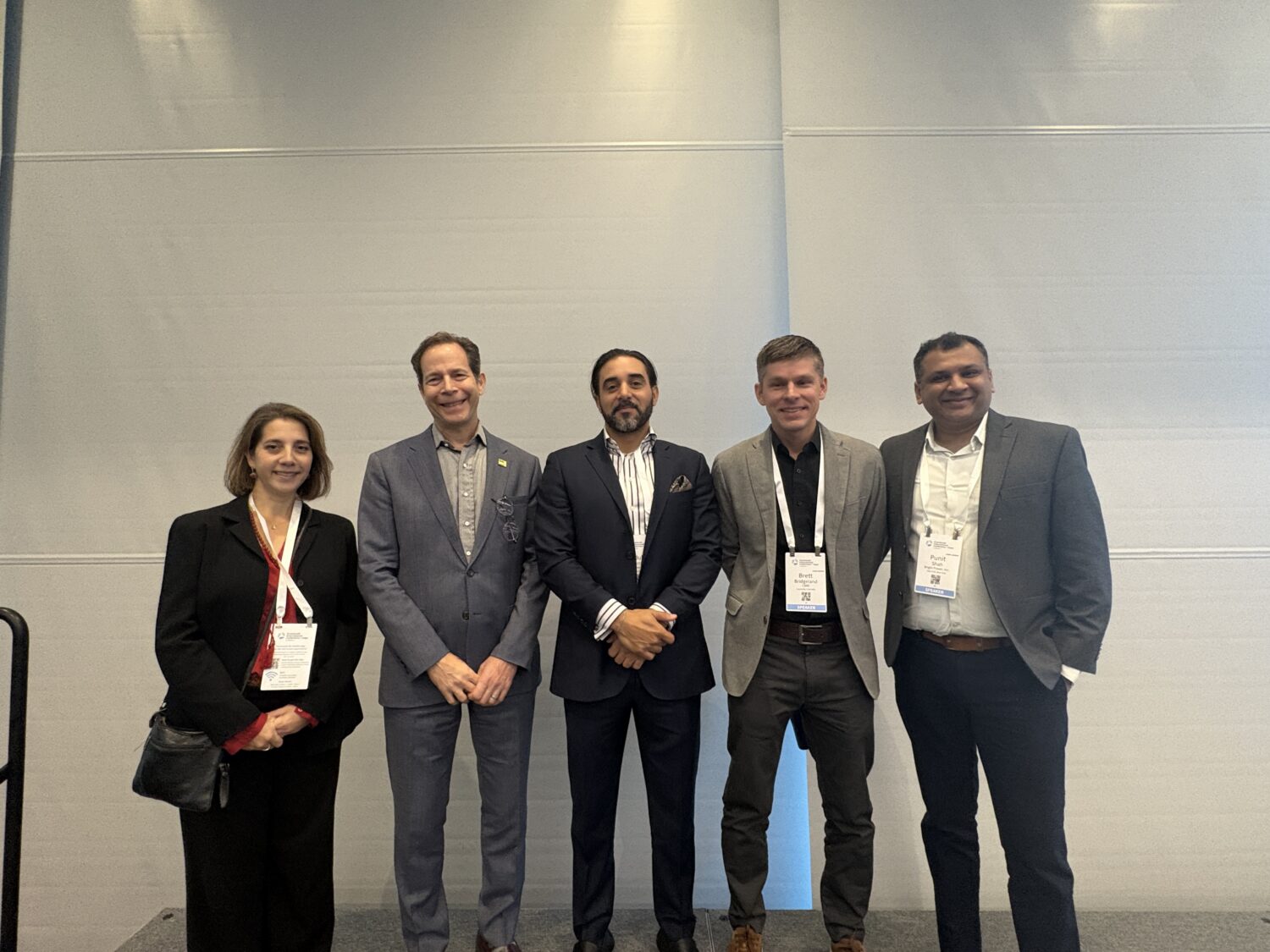
Decarbonize by Design: The Transformative Impact of Charrettes panelists (from left to right): Sophie Cardona, Richard Yancey, Abdulla Darrat, Brett Bridgeland, and Punit Shah.
Let’s Decarbonize! Hands-On Building Decarbonization Workshop
On Wednesday, October 21st, we led a packed session in which more than 60 attendees got an immersive introduction to the SDP Framework using gameplay materials developed at the University of Cincinnati by Dr. Amanda Webb, Barry Abramson, Katherine Castiello Jones, and Heather Cheng.
Working in teams, participants created mock decarbonization plans for real-world building scenarios. Weighing costs, trigger events, and site-specific constraints, each group evaluated various strategies to achieve the most greenhouse gas emission reductions
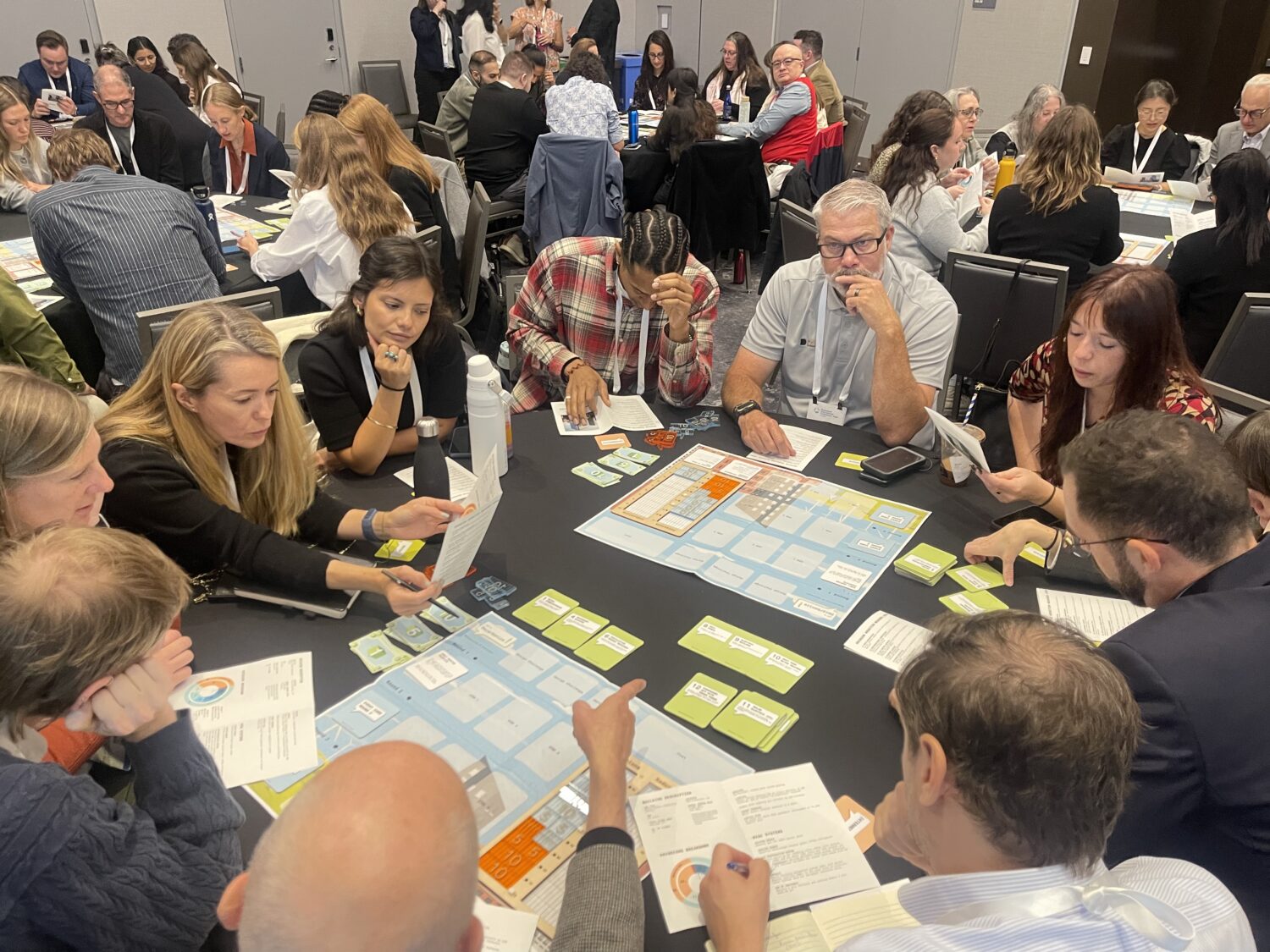
Participants in our “Let’s Decarbonize! Hands-on Building Decarbonization Workshop” built mock decarbonization plans for real-world building scenarios.
Staff Takeaways
Paul Rivers | Manager, Operations & Memberships
Paul shared some of his major takeaways from the various sessions he attended:
“There are many routes to decarbonization, from Tier 4 RECs to retro-commissioning to energy use intensity targets. Start with quick wins and line them up with your capital plans and equipment lifecycles. Embrace the unconventional options, and use your building’s own energy loads and data to decide which ones fit.
“Resilience is a money conversation. Put it in the expenses line to make it an investment priority. Markets value lower risk, lower expenses, and assets that perform during shocks. That is the filter acquisitions teams use on deals, and sustainability professionals can shape it by building the narrative around both efficiency and resilience.
Hailey Moll | Manager, Educational Resources
Hailey facilitated the Let’s Decarbonize Workshop and shared how positively participants responded to the gameplay format:
“People really seemed to enjoy how interactive and collaborative the game was, with many being interested in scheduling a delivery for their colleagues and teams. Part of the appeal, we’ve found, is that this game is excellent for bringing people with different levels of decarbonization expertise into the same room. That’s the real strength of the format. Gamification can lower the barrier to entry and create room for the kind of collaboration that real-world decarbonization projects are sometimes missing.
She also shared one of her takeaways from the conference at large:
“A recurring theme I noticed across Greenbuild is that we still have work to do in how we frame decarbonization. Too often, upgrades happen only in response to a trigger, like a policy change or equipment reaching the end of its useful life. That approach is slowly shifting, but as practitioners, educators, and providers, we can accelerate the change by reframing the conversation. Decarbonization isn’t only a cost or a compliance task. It’s a way to reduce risk and create value, from lower operating expenses and protection against rising energy costs and climate impacts to better affordability and comfort for residents.
Closing Thoughts
The conference left us energized heading into the end of the year, and it reinforced that decarbonization moves forward when we make it easier to start. As former Commissioner of the Department of Environmental Protection, Rohit Aggarwala put it:
“We should use design to make install easy; to focus on the speed of decision-making and technological innovation; in long-term thinking; to design out complexity in both bureaucracy and effort; and we should use design to have empathy.”
That people-forward approach, with language that speaks to every stakeholder, is at the heart of our work at BE-Ex. Greenbuild affirmed how much it matters. We’re bringing these ideas, and many more, home with us and carrying them into the work ahead.
See the complete photo album of the BE-Ex team at Greenbuild here.
