This March, in honor of Women’s History Month, BE-Ex’s Women in Sustainability & Energy (WISE) series, an initiative advancing equity in the industry, are launching a social media campaign to spotlight the inspirational women advancing essential sustainability and energy work in New York City.
In the coming weeks, the “Women Powering Progress” campaign will feature a diverse range of women representing various roles in the sustainability and energy industries. Follow along as we gain more insights into the impactful work these women do day-to-day, what they wish people knew more about their field, and more!
Shino Tanikawa
Lillibeth Liriano
Ora Kemp
Ozgem Ornektekin
Rebecca Schmidt
Yangchen Dolma
Mallory Taub
Paula Nonaka
Beki Kabanzira
Shino Tanikawa
Executive Director, NYC Soil & Water Conservation District
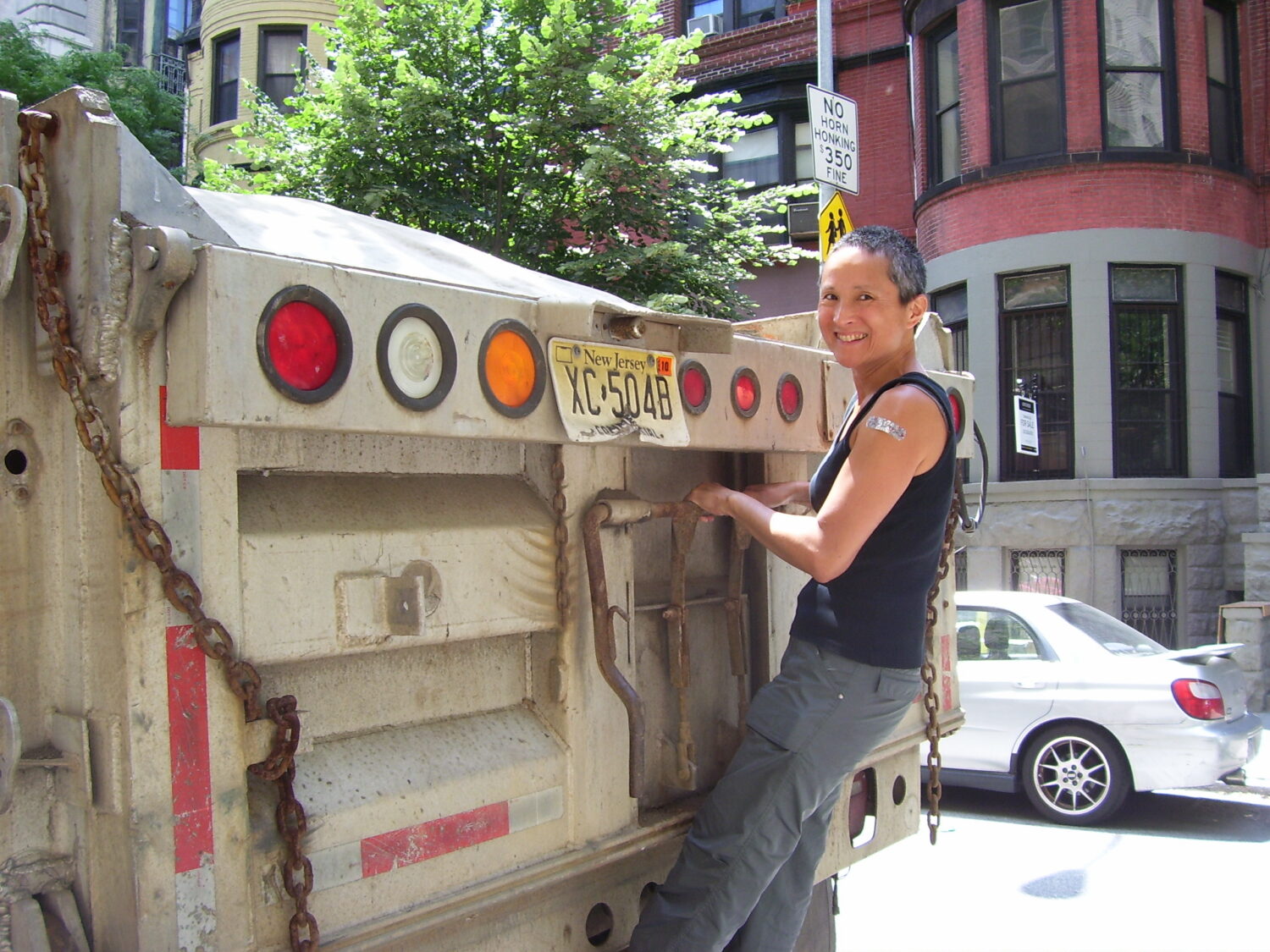
Shino is executive director of the NYC Soil & Water Conservation District where she oversees the stormwater & green infrastructure, environmental education and urban soils programs. She represents the District on the Stormwater Infrastructure Matters Coalition Steering Committee, Hudson River Estuary Management Advisory Committee, Forest for All Coalition, Rise to Resilience Coalition, and Citizens Advisory Committee and Water Quality Working Group of the NY/NJ Harbor & Estuary Program. She is also a founding member of the Bronx River Alliance.
She advocates for community engagement and public participation in environmental planning processes, such as the Combined Sewer Overflow Long Term Control Plans, because she believes ordinary New Yorkers are local experts of their local natural resource, whether it’s a waterway, a natural area or a community garden and they bring valuable knowledge to planning processes. She has a Master of Science degree in Marine Environmental Sciences.
What is something you wish people knew about your role or field?
I think we have the best drinking water in the world because we rely on nature to filter and purify the water. We should never take it for granted because there have been many sacrifices made to create the reservoir systems that deliver our drinking water and there are thousands of NYC employees who are committed to keeping our drinking water the best in the world.
We are a coastal city with more than 500 miles of coastline. Waterways that surround the city support thriving estuarine ecosystems and many of them are clean enough for swimming on most days. But we still have a lot of work to do to make our waterways the “sixth borough” of NYC. There are many grassroots organizations, established non-profits and government agencies working to clean up our waterways. Having swimmable waterways is not always on the minds of ordinary New Yorkers but it is important for all of us to connect with nature.
Who is a female role model/someone who has influenced your career?
Eugenia Flatow. She was a 78-year-old housing and environmental activist when I first started with the District in 1998. She passed away more than 10 years ago but she taught me the value of community engagement and respecting the local residents’ knowledge of their own waterways.
She was a trailblazer in so many ways and commanded the attention of the room when she walked into meetings. People listened to what she had to say because she cut to the chase and said what she had to say without mincing her words. And she always had a good grasp of the big picture. She was inspiring and encouraging, especially because she was old enough to be my grandmother and it was not common to see a woman her age in this field (it still isn’t).
What is a good piece of advice that you’ve received?
People on the ground who see their waterbody every day are the experts. Eugenia Flatow taught me this.
We have a tendency to value academic or formal knowledge over knowledge born out of lived experiences and daily observations. Technical expertise of people with degrees and licenses is not the only knowledge we need in ensuring a thriving ecosystem. There is tremendous value in the knowledge of people who live next door to the waterbody we are trying to improve or natural areas we want to restore.
What is an aspect of your work or an accomplishment that you’re proud of?
I never dreamed I’d be with the same organization after nearly 30 years. I’m realizing that there is value in institutional memory, so that we don’t recreate the wheel (that’s my justification for staying with this organization for so long!). I’m proud of what we accomplish with a shoestring budget every year and my staff who are so committed to this work. I’m proud of the network of people I have built over the years and the community of practitioners that exist within the network. It reminds me it’s the people who make this job worth getting up in the morning for.
Lillibeth Liriano
Communications Manager, CUNY Building Performance Lab

Lillibeth Liriano joined the CUNY Building Performance Lab in 2019 as a Sustainability Associate and is now the Communications Manager. Within CUNY BPL, she supports the NYC Sustainability Help Center in assisting building owners and energy professionals comply with New York City’s building sustainability laws, including Local Laws 84, 33, and 97. These laws are central to reducing greenhouse gas emissions from the buildings sector, the city’s largest source of emissions. She also oversees organizational communications and outreach efforts, serving as a key point of contact and representative of the organization.
Lillibeth holds a BA in Environmental Studies from Hunter College and an MS in Urban Sustainability from City College of New York. During her undergrad, she completed a year-long fellowship as a Public Service Scholar at the NYC Mayor’s Office of Sustainability. This experience greatly influenced her pathway into the buildings sector and where she is today.
What is something you wish people knew about your role or field?
A misconception about sustainability work in the buildings sector is that it’s purely technical. Sustainability is highly interdisciplinary. Much of my work sits at the intersection of policy, communication, and relationship building. At the NYC Sustainability Help Center, I assist in communicating complex policies like Local Laws 84 and 97 into clear, digestible guidance for building industry stakeholders.
It’s also important to understand how critical workforce development is to meeting our climate goals. Through our internship program at CUNY BPL, our CUNY student interns build technical skills, professional networks, and gain practical experience to catapult their careers.
Sustainability isn’t just about compliance and technical expertise. It’s about building relationships, working with individuals with diverse backgrounds and skillsets and preparing a workforce to advance climate solutions.
Who is a female role model/someone who has influenced your career?
One of the most influential women in my career has been Stacy Lee, a former Senior Policy Advisor at the NYC Mayor’s Office of Sustainability, and my direct supervisor during my undergraduate fellowship.
She was what I would call a “gentle force”. She was deeply knowledgeable, dedicated and passionate about climate and social justice. She led with patience, excellence, integrity and care for her colleagues and interns. Watching her work with intention and compassion shaped the kind of professional I aspire to be. I learned so much from her, including that leadership doesn’t have to be loud to be impactful.
What is a good piece of advice that you’ve received?
One of the best pieces of advice I’ve received (which happens to be from Stacy Lee) is to keep track of your accomplishments. Time moves quickly, and documenting your work helps you recognize your growth and confidently communicate your value.
I’ve also learned that networking matters. Many of my opportunities came from making genuine connections and showing appreciation for others’ work. People can sense when connections are shallow or transactional. When relationships are built on sincerity and shared purpose they open doors.
What is an aspect of your work or an accomplishment that you’re proud of?
I’m proud to serve as both a communications lead and mentor within the CUNY Building Performance Lab. I play a role in our outreach efforts and representing the organization externally, helping strengthen our visibility within NYC’s building sector.
I’m also proud to support building owners across New York City in navigating complex sustainability requirements. But I’m especially proud of supporting and encouraging our CUNY student interns in their career trajectories. I love taking them to networking events with me. Creating opportunities for them to be seen, build confidence, and form relationships early in their careers is deeply meaningful. Everyday, I get to do work that contributes to real emissions reductions while preparing the next generation of sustainability leaders—[it] doesn’t get better than that.
Ora Kemp
Senior Policy Advisor, NYC Mayor’s Office of Food Policy

Ora Kemp is a Castanea Fellow and serves as Senior Policy Advisor with the NYC Mayor’s Office of Food Policy, where she leverages her extensive experience across the food security network, community-based programming, and public health research to advance equitable food policies and dismantle entrenched injustices in the food system.
Anchored in the belief that food is a fundamental human right, she builds collective power and fosters cross-sector collaboration to transform systems, policies, and practices to ensure every person can access nourishing, culturally rooted food with dignity. Her approach reflects a commitment to racial equity, diversity, and sustainable impact, qualities central to her leadership and the community of innovators working collaboratively toward a more just and healthy food system.
What is something you wish people knew about your role or field?
Food, like air and water, are resources necessary for ensuring basic rights are respected – not commodities to be privatized. The commodification of our food system is the root cause of many of our greatest humanitarian challenges, and the most impactful thing we can do is transition back to a collective model of food and land stewardship. Much of my approach to food policy is shaped by this universal truth, and the centering of our humanity is how good governance comes to life.
Who is a female role model or someone who has influenced your career?
Delores Huerta, Audre Lorde, Dr. Jessica B Harris, Angela Davis, Andrea Freeman, to name a few. There are many more on this list that flood to mind even as I write out these. I find my perspectives on food, culture, and the planet have been heavily shaped by those who exist in multiple worlds, navigating the intersection of what it means to be human and to be in community with the earth. Their experiences and perspectives are the lens through which I view the world.
What is a good piece of advice you’ve received?
The challenges you have faced will become the path you are most skilled to navigate. I was raised with a big family on few resources, making us highly adaptable and resourceful. I feel that same way when navigating policy – limited resources and high need is the constant push/pull for policy work. How do we deliver better policy, systems, and interventions that meet the needs in this moment with so little investment in the material needs to make it successful? Our shared futures require better imagination, more grit, and stronger advocacy for building the world that we all contribute to and benefit from equitably.
What is an aspect of your work or an accomplishment you’re proud of?
I am a big lover of data and sharing insights that shape decision-making. In 2025, for the first time ever, we shared our annual Supply Gap Analysis during Open Data Week, sharing an overview of the methodology, data visualization, and open-access dataset that advocates and community members could leverage the same data for strategic collaboration. This has become an annual ritual that I really enjoy, sharing with the community the vision for a more food secure future – and the tools to inform that collaboration.
Ozgem Ornektekin
President, KO2 Consulting LLC
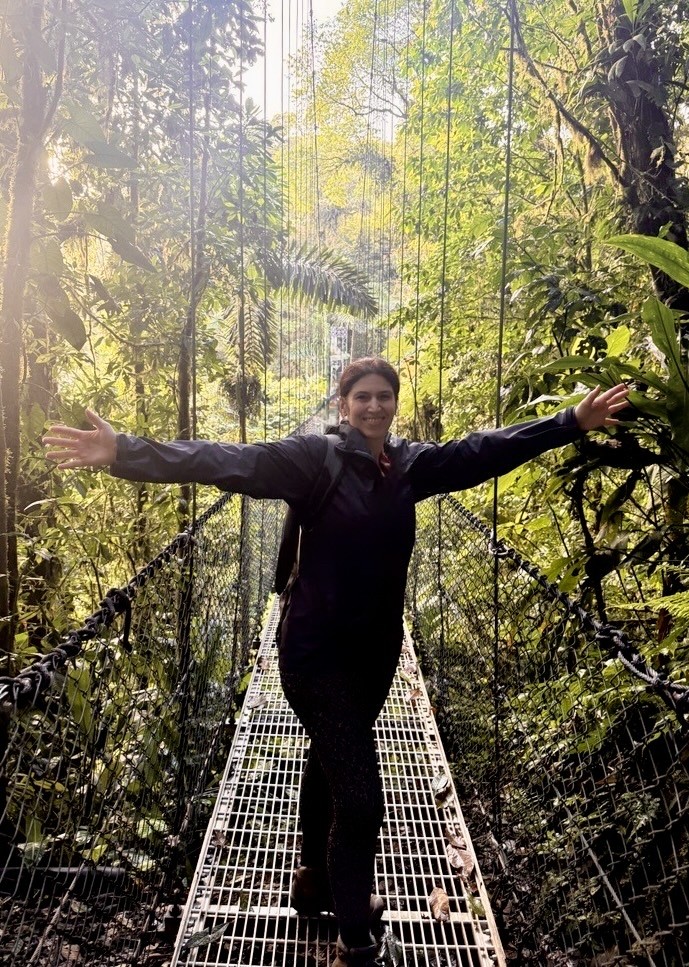
Ozgem is the Founder and President of KO2 Consulting, a firm focused on delivering strategic energy and sustainability solutions that advance climate action and long-term decarbonization goals. For the last decade, Ozgem has advised public and private sector clients on sustainability strategy, energy planning, and sustainable design and construction. Prior to founding KO2 Consulting, Ozgem served as Chief Energy Management Officer and Deputy Commissioner for the City of New York, Director of the Office of Sustainability at New York University, and the first Director of Sustainability at the NYC Department of Education. She also worked as a Mechanical and Energy Engineer at Parsons Brinckerhoff and AECOM. Ozgem holds an MBA from Columbia Business School and a Bachelor of Science in Mechanical Engineering from the University of Denver. She is also the founder of Petit Pas, a company that works in partnership with the American School of Ballet to upcycle used ballet pointe shoes, with the goal of reducing landfill waste.
What is something you wish people knew about your role or field?
In light of the federal government’s retreat from policies that support clean air, water, and the conversation of resources, I wish more people understood that sustainability isn’t just about the environment, it helps organizations work better by reducing risk. At its core, sustainable design and operations improve efficiency, reduce costs, and create healthier, more resilient environments for the people who use them every day. At KO2 Consulting, we see this firsthand in the infrastructure and development projects we support. Our team has helped integrate sustainability strategies into major projects for the Port Authority of New York and New Jersey, including new airport terminals at LaGuardia and Newark, and the EWR AirTrain program, where energy, materials, and operational considerations are integrated early in the design process. We have also contributed sustainability expertise to transformative regional infrastructure like the Hudson River Tunnel Project, as well as affordable housing developments in NY where efficiency, resilience, and healthy building strategies directly benefit residents. While the politics surrounding national environmental policies may shift over time, the practical benefits of sustainability remain constant. I hope people will continue to see the immense value in integrating principles of sustainability into their work and engage with firms like ours to find cost-effective solutions.
Who is a female role model or someone who has influenced your career?
Starting my own business in 2016 was a big decision for me! Taking such a big step and building a successful company took a lot of support and encouragement from others along the way. Throughout it all, my mom was my role model where she was a founding president of a university, founding vice president of another university, and founding president of two vocational schools. Her entrepreneurship was focused on higher education and helped me see how bringing people together for a purpose higher than one’s self is so rewarding and invigorating. And now I am celebrating my first decade as an entrepreneur myself with two businesses with a focus on stewardship and service!
What is a good piece of advice you’ve received?
o A good piece of advice that I received is to not dwell on things that are outside of my control. When you spend energy worrying about things you can’t change—other people’s decisions, market conditions, or timing—you create mental load without impact. When I focus on actions I can control, I feel less overwhelmed and more confident as I make progress. I have been working hard on directing my mind to focus on transforming my life and career in positive ways instead of dwelling on what is wrong in the world. I have been intentional about avoiding the news and instead directing my energy into positive activities and delivering great work with my team.
What is an aspect of your work or an accomplishment you’re proud of?
One accomplishment I’m especially proud of is founding the company Petit Pas, in addition to my work leading KO2 Consulting. Petit Pas upcycles used ballet pointe shoes—items that are notoriously difficult to recycle because they are made of mixed materials like satin, leather, paper, and glue. Professional ballet companies can go through thousands of pairs of shoes each year, and most ultimately end up in landfills. Seeing this, I recognized an opportunity to give these beautiful items a meaningful second life. With Petit Pas, I wanted to explore how principles of circularity and resourcefulness could be applied in a creative and tangible way. Working with the School of American Ballet and local artisans, we disassemble worn ballet pointe shoes and transform their materials into handcrafted bracelets, airtag covers, and small satin accessories. Beyond reducing waste, the company also supports the next generation of dancers: 50% of proceeds are donated to the school’s pointe shoe fund, which helps reduce cost of pointe shoes for young ballet students. With Petit Pas I am to reflect a belief that sustainability can be both practical and poetic—turning something once discarded into something cherished, while also supporting the arts and advancing circular design.
Rebecca Schmidt
NY Regional Sustainability Manager and Northeast ESG Lead, Turner Construction
& BE-Ex Board Member
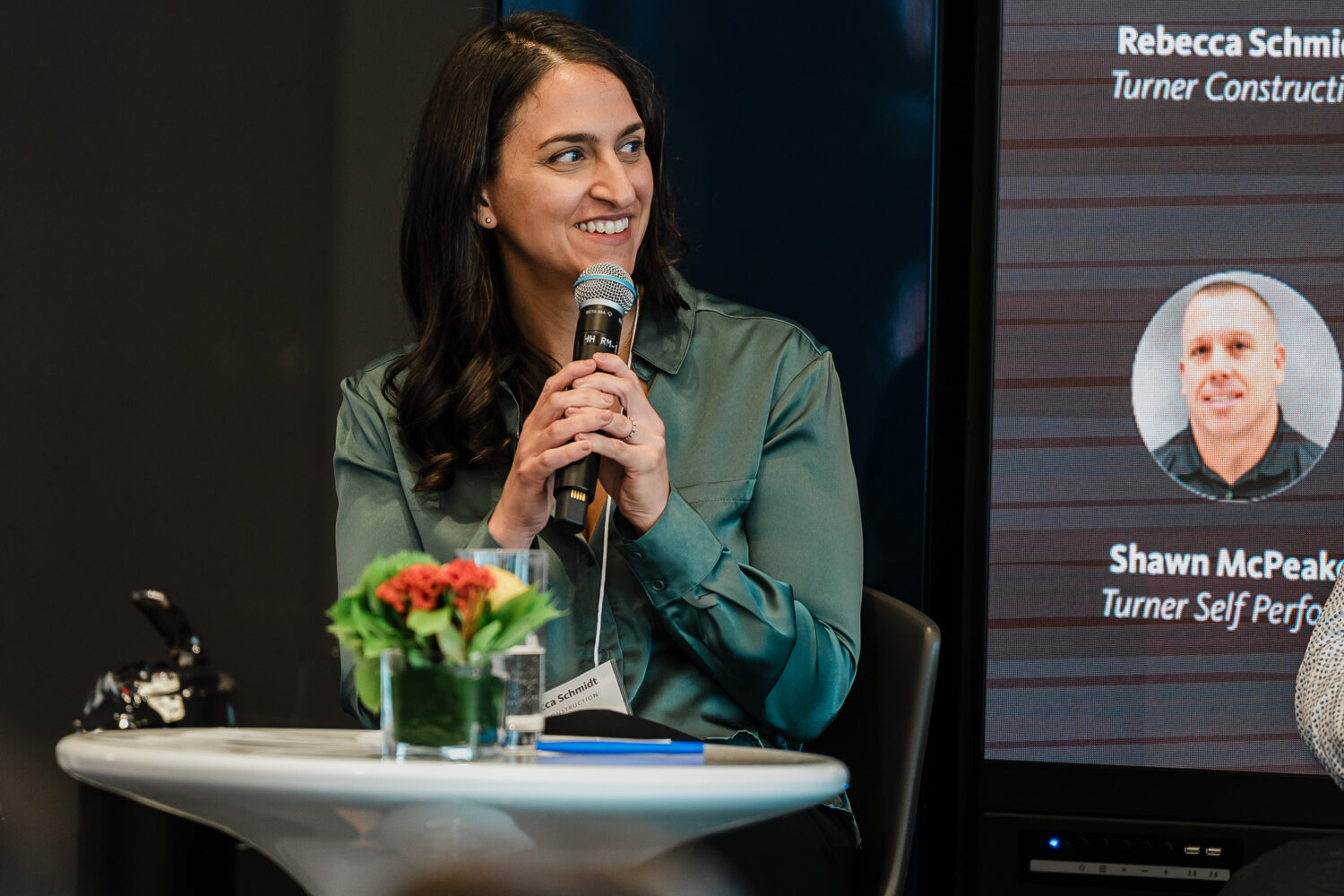
Rebeccas is in sustainability and construction, helping project teams turn environmental goals into actions that make sense in the field. A lot of what she does is connect bigger sustainability priorities to the day-to-day realities of project delivery and look for ways to improve long-term building performance at scale. Rebecca has worked in organizations of different sizes and types, which has given her a broader perspective and shaped how she thinks through challenges.
What is something you wish people knew about your role or field?
Many people assume construction is not a supportive environment for women, especially on jobsites or in project-facing roles. That hasn’t been my experience at Turner, where the Active Caring culture comes through in the way people treat one another, both in the office and on the jobsite. People are respectful of each other regardless of role or gender, and that influences how teams communicate and interact. In sustainability, where progress depends on bringing different groups together, that kind of environment really matters.
Who is a female role model/someone who has influenced your career?
My mom. Both of my parents worked full-time throughout my childhood, and so growing up, I never saw being female as something that came with limitations. After becoming a mom myself, I gained a much deeper appreciation for how hard it can be to balance family and work, and for everything my mom modeled for me. It also taught me how important it is to raise my own daughter to be kind, brave and able to speak up for herself.
What is a good piece of advice that you’ve received?
It takes just as much effort to pursue something small as it does to pursue something big, so why not aim high?
What is an aspect of your work or an accomplishment that you’re proud of?
One thing I’m proud of is that I’ve stayed on a path that feels meaningful to me. I’ve built my career around integrating sustainability into buildings, and I value the chance to keep growing in work that I genuinely enjoy.
Yangchen Dolma
Sustainability Consultant, Kinetic Communities Consulting
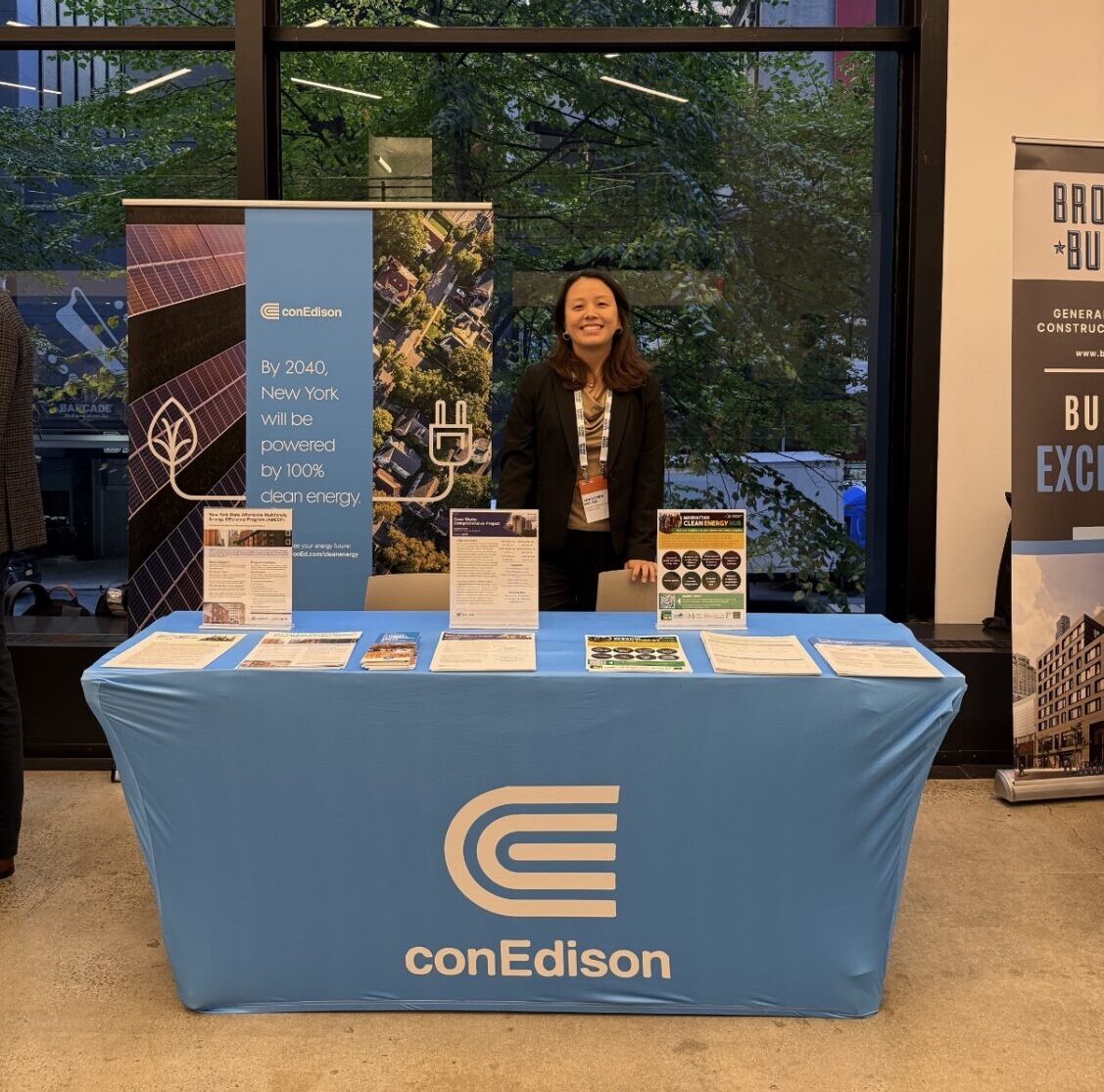
Yangchen is a Sustainability Consultant on the Policy & Data Analysis team at Kinetic Communities Consulting (KC3), a clean energy firm advancing equitable, community-centered solutions. She works on programs that expand access to clean energy in multifamily housing and supports utility-administered initiatives such as AMEEP, that provide technical guidance and incentives for energy-efficiency upgrades in affordable buildings. In this role, she works closely with her team on more than 250 active projects, helping ensure solutions are practical, effective, and responsive to resident needs.
She has also worked on programs supporting citywide efforts to improve energy performance across over 1,500 affordable multifamily buildings. She worked closely with residents, building owners, and project teams to implement solutions that could be successfully implemented and sustained over time. She also contributed to the Future Housing Initiative, a national research effort advancing multifamily decarbonization, helping shape programs so that resident perspectives informed design and outcomes. Across these projects, she focused on connecting clean energy solutions to tangible community benefits.
Before transitioning to sustainability, Yangchen worked with a social justice organization advocating for immigrant and worker rights, helping lead city and state-wide campaigns on labor protections and workplace safety. These experiences continue to shape her approach, which centers on equity, and meaningful, community-driven impact.
What is something you wish people knew about your role or field?
One thing I really appreciate about this field is how dynamic it is. Programs, policies, and approaches are constantly evolving, which can be challenging, but it also means there’s endless room for growth, innovation, and new ideas. I love that the community is full of people passionate about creating real change, and that newcomers can bring fresh perspectives to help shape the work. Because the field is still adaptable, there’s a chance to influence how it develops, likes shaping a blueprint that’s still being drawn. That sense of possibility makes it exciting to contribute, knowing that the ideas we bring today can help define what the field becomes tomorrow.
Who is a female role model/someone who has influenced your career?
A female role model who has influenced my career is Daphany Sanchez, Executive Director at KC3. She recognized the parallels between my background in social justice and the field of sustainability, showing how both are connected through shared goals of equity, empowerment, and community impact. I admire how she leads her company and her unwavering dedication to keeping resident needs at the center. Working alongside her, and our team of strong passionate young women leaders, has been inspiring. She exemplifies leadership that is not just based on outcomes but on the importance of listening, amplifying voices, and creating opportunities for communities to thrive. She continues to shape how I approach my work every day, reminding me to center people in every solution. (And yes, I’m mentioning her here because she’s genuinely the reason I got into this field!)
What is an aspect of your work or an accomplishment that you’re proud of?
One accomplishment I’m proud of is contributing to pilot programs that explore new approaches to clean energy in multifamily housing. Across different projects, I supported design, coordination, and implementation, working closely with building owners, residents, and my team to ensure upgrades were practical, efficient, and responsive to community needs. What makes this work especially rewarding is that it’s not just about technology or building upgrades, it’s about people and communities. It means building trust in neighborhoods that have long been overlooked, helping residents navigate complex energy programs, and ensuring investments actually improve lives. Whether supporting utility programs or community-focused initiatives, I’ve seen firsthand how projects can lower bills, improve comfort, and advance economic and housing stability. Being part of a field that’s always evolving also means there’s space to shape solutions as they develop, making the work feel dynamic and full of possibility. These experiences have reinforced that meaningful sustainability work is collaborative, human-centered, and designed to create lasting impact.
Mallory Taub
Sustainability Director, Gensler
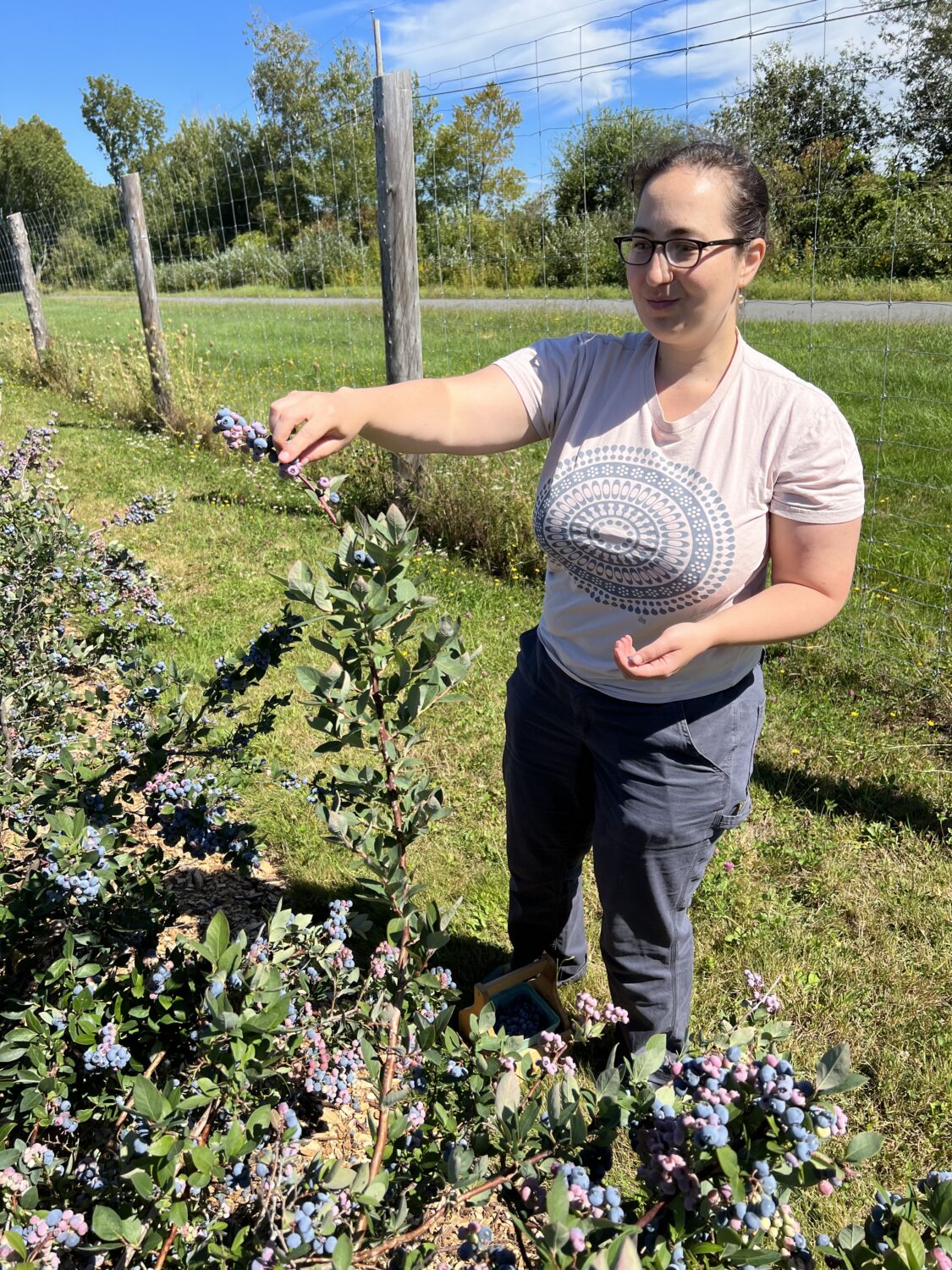
Mallory collaborates across disciplines to turn sustainability goals into strategic action for the built environment. She focuses on opportunities that accelerate impact at scale, including crafting portfolio sustainability standards, R&D efforts that influence prototype designs, deconstruction practices that catalyze circular supply chains, and precedent-setting projects that raise the bar for sustainable design. Mallory is a Sustainability Director at Gensler where she serves on the leadership team of Gensler’s Climate Action Studio in New York. Mallory’s industry leadership includes serving as Co-Chair of AIA New York’s Committee on the Environment, a member of the Urban Design Forum’s Associate Board, and a mentor in the Brown University Mentoring Launchpad. She has contributed to publications featured by Fast Company, Metropolis, ULI, and CoreNet Global. Mallory holds a B.A. in Architectural Studies from Brown University and an M.S. in Architecture (track: Building Science, Technology, and Sustainability) from the University of California, Berkeley.
What is something you wish people knew about your role or field?
Creating and implementing sustainability strategy for the built environment is a team sport. Designing and delivering a sustainable building relies on collaboration across a vast range of expertise, including design, engineering, ecology, manufacturing, construction, capital planning, operations, policy, finance, and more. Sustainability strategists are gritty integrators. We bring together diverse teams to establish a unified vision and persevere through roadblocks to collaboratively craft actionable solutions.
Sustainable design is inherently interdisciplinary, yet architectural education is traditionally focused on the mentality that architects alone can create change. I was fortunate to be part of an initiative to shift this mentality through the Gensler Charitable Gift Fund, which provides philanthropic support for curriculum innovation to advance education within design professions. We partnered with the University of Tennessee, Knoxville to create a new multidisciplinary course on sustainable design that has been embraced by faculty and students. We shared a replicable curriculum model, and I hope that a shift towards multidisciplinary education will help to increase the pipeline of nextgen talent we need to realize viable, sustainable design strategies in practice.
Who is a female role model/someone who has influenced your career?
A pivotal moment in my career was joining Arup in San Francisco, which was my first role in sustainability consulting. Between my background at mostly smaller organizations and the awe of Arup’s impressive projects, the hiring process felt daunting. From helping me get my foot in the door and through guiding me as my teammate, Kirstin Weeks helped me cut my teeth in the world of impactful projects across the world. She was always patient and I admired her skills at facilitating large and complex conversations. While it has now been some time since we were teammates, I have continued to admire her career from afar as a founder of her own small business focused on a regenerative design and urban ecology. In a field often focused on “doing less bad”, Kirstin challenges us all to shift from a low-carbon to a nature-positive mindset for how we approach design opportunities.
What is a good piece of advice that you’ve received?
Earlier this month at the Providence French and Francophone Film Festival, Yiming Hu introduced the queer coming of age film, La Petite Dernière. Remarking on the difference between the concepts of education and seduction, and their shared Latin root of “ducere,” meaning “to lead,” he beautifully described the protagonist’s growth in learning to distinguish between the things that could lead her forward and the things that could lead her astray. This push and pull resonated with me when thinking about so many conversations I have had over the years about professional development with folks at all different points of their careers. While not directly received as advice and originating from a different context, I am reframing this sentiment as advice to folks who are seeking career mentorship but don’t know where to start. If you are ever struggling to discern what are the professional experiences that are leading you forward versus leading you astray, this is the perfect conversation starter to bring to a mentor.
What is an aspect of your work or an accomplishment that you’re proud of?
To move the needle on climate change, we must find levers we can pull to accelerate progress faster than designing one unique sustainable building at a time. One such lever is for large, influential organizations to publicly set minimum sustainable materials standards for all their projects to increase demand for sustainable materials in the market. Back in 2023, I was part of a core team at Gensler that did just that by launching the Gensler Product Sustainability (GPS) Standards. Through a process of internal stakeholder engagement and alignment with industry norms, we created a first of its kind open-source tool at Gensler to drive a consistent sustainability approach on our projects and to send a market signal to manufacturers. I am proud of how we demonstrated the power of collective action and using our influence responsibly, which has not only led to thousands of projects adopting low-carbon and healthy materials, but also to the reformulation of products by major manufacturers and more transparency on material disclosures that raise all boats.
Paula Nonaka
Senior Program Specialist at New Women New Yorkers
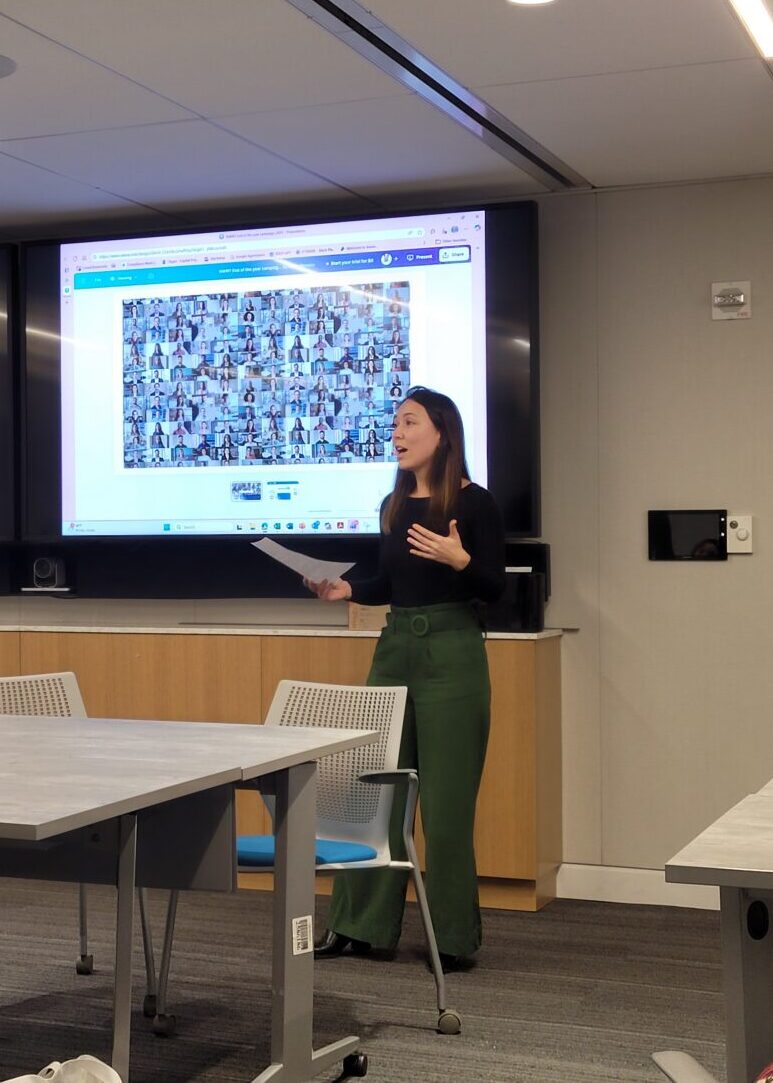
Paula Nonaka spent over a decade shaping strategy at large corporations in Brazil. After moving to the United States, she shifted her career to align with her values and focus on creating meaningful impact, moving from growing brands to growing people. She now works in the nonprofit sector at New Women New Yorkers ( NWNY), designing workforce development programs that support immigrant women in entering clean energy careers. Through this work, she helps participants build skills, confidence, and access to new opportunities. Paula is proud to continue her purpose of building a more sustainable future while also making the clean energy workforce more inclusive for immigrant women like herself.
What is something you wish people knew about your role or field?
One thing I wish more people knew about the clean energy field is that there is space for many different types of skills and backgrounds. Because it is a relatively new and evolving industry, there are still many acronyms, technical terms, and roles that people are not familiar with. That can make the field feel intimidating, and many people assume it is not a place for them. In reality, the opposite is true. Clean energy includes a wide variety of roles, from hands-on technical jobs to office-based positions in project management, communications, policy, and operations. The industry needs people with many different talents and experiences. Part of my work at New Women New Yorkers is helping to demystify the field and show our community that clean energy is not just for engineers or specialists. It is a growing sector with opportunities for people with many different skills, and there is truly space for everyone to contribute.
Who is a female role model or someone who has influenced your career?
My mom has been the biggest role model in my career. She was an engineer in a very male-dominated industry at a time when it was much less common for women to be in the workforce. Because of that, she had to open many doors on her own to build her career. It was not always easy, and she faced many challenges along the way, but she continued moving forward. Watching her persistence and determination had a strong impact on me. She showed me what it means to stay committed to your path, even when the environment is not designed for you. Even today, we still see many differences and barriers for women in the labor market. That is one of the reasons my work feels so meaningful to me. Through my role, I am grateful to support women as they build careers and thrive in the spaces where they want to be.
What is a good piece of advice you’ve received?
One meaningful piece of advice I received came through a mentor who introduced me to the work of Brené Brown. The idea was simple but powerful: stay true to yourself. Earlier in my career, I worked at an organization where I was encouraged to be more competitive and focus only on my individual performance. That environment did not align with who I am. I have always been more collaborative, and I do my best work when I can build with others rather than compete against them. At first, I thought I needed to change myself to fit the culture. Over time, I realized something important: not every organization is the right fit for you. That does not mean the organization is bad, and it does not mean you are wrong either. It simply means your values and ways of working may be different. That experience taught me that you do not always have to adapt if doing so means losing what matters to you. Staying true to yourself is something I carry with me not only in my professional life, but also in my personal life.
What is an aspect of your work or an accomplishment you’re proud of?
One aspect of my work that I am especially proud of is supporting participants in building confidence in themselves and their abilities. Most women experience imposter syndrome and sometimes underestimate the value of their own skills and experiences. Part of our role is creating spaces where they can rediscover that confidence and recognize what they bring to the table. A great example of this is our Climate Storytelling program at New Women New Yorkers. On the first day, many participants arrive unsure if they will be able to create and share their own story. Public speaking and storytelling can feel intimidating, especially in a new language or environment. By the end of the program, it is incredible to see the transformation. Participants stand in front of an audience and share their stories with confidence and meaning. Watching that evolution, and seeing how empowered they feel afterward, is one of the most rewarding parts of my work.
Beki Kabanzira
Pilots Associate, BATWorks at the Los Angeles Cleantech Incubator (LACI)
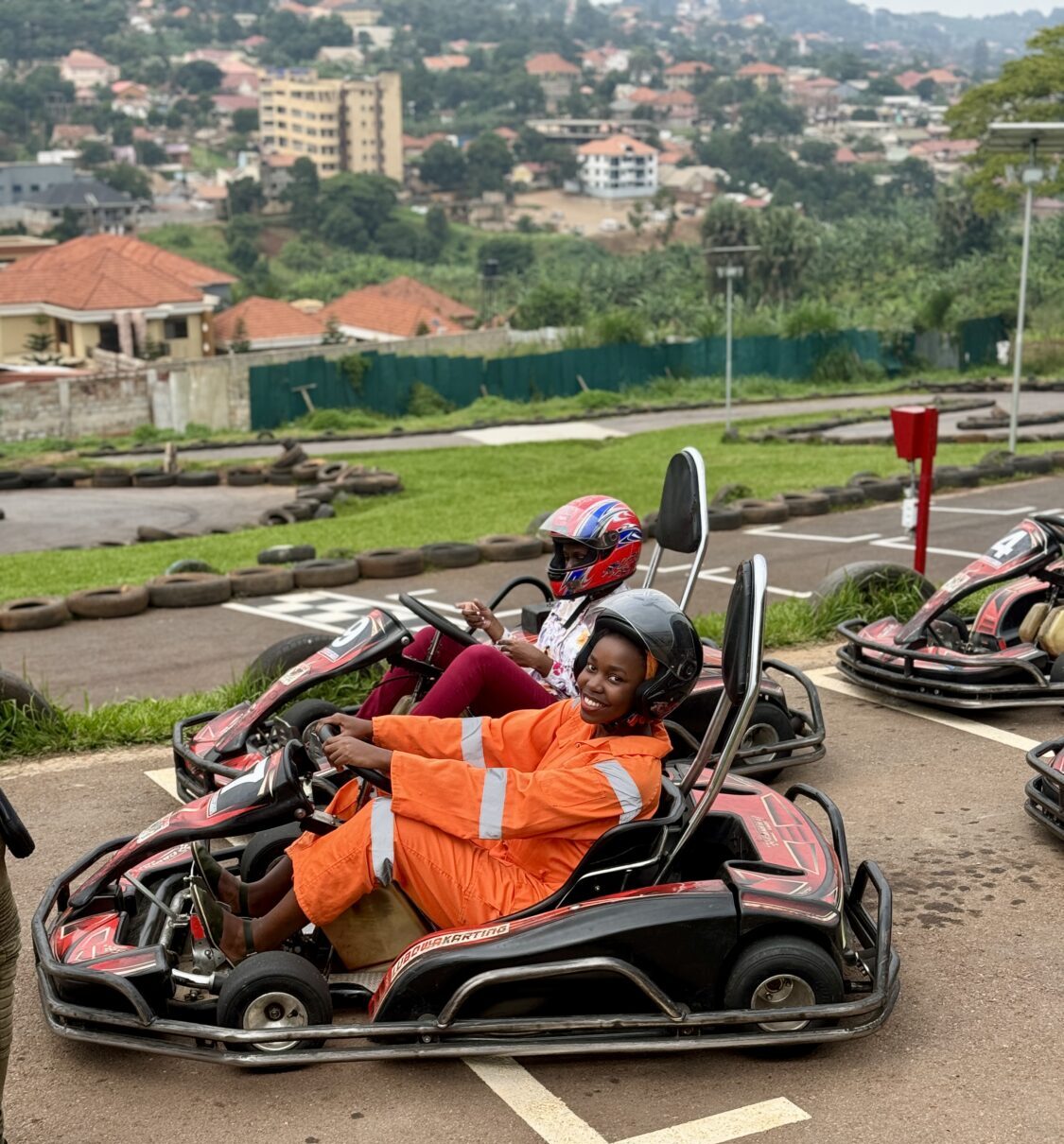
As the Pilots Associate at LACI, Beki runs day to day operations for the Pilots at BAT program, which gives emerging climate tech companies the opportunity to test, refine, de-risk, and demonstrate their products in a real-world, urban environment at the Brooklyn Army Terminal (BAT). She serves as the primary point of contact for companies, providing technical and general support with site logistics, coordinating installation and deinstallation, and tracking project milestones.
What is something you wish people knew about your role or field?
Climate innovation doesn’t happen in a silo but at the intersection of relationships between public, private, and community partners who have a shared vision for an inclusive green economy. No one sector has all the answers; for example, startups need government partners, cities need innovation, and communities need both to serve their needs around workforce development and resilience. LACI’s climate efforts foster these relationships by gathering feedback from startups, non-profits, local businesses, corporates, and government on how BATWorks could be catalytic. LACI will also host convenings aimed at strengthening industrialization and commercialization of the cleantech sector by building relationships between finance, corporates, government, and supply chain resources to support startups. These relationships are infrastructure, and without them, even the best climate solutions cannot scale.
Who is a female role model or someone who has influenced your career?
I’ve been deeply influenced by the women I grew up around, who embodied leadership through service, which is a philosophy that guides my own work. My mother, a former district woman representative in the Parliament of Uganda, has dedicated her career to advancing women’s equity through listening to constituents, building relationships, and advocating for those without institutional power. She and the many women leaders I saw across government, civil society, and grassroots organizing led not for status but out of a genuine commitment to Obuntu (loosely translated as community well-being).
What is a good piece of advice you’ve received?
One of the best pieces of advice I’ve received came from Lindsay Drogin, Managing Director at NY Green Bank (who I happened to meet at a WISE event at BE-Ex) and it was to follow your curiosity. She encouraged me to reach out to people and give myself permission to learn without needing a clear end goal. That mindset has stayed with me. Curiosity pushes you to ask better questions and build unexpected connections, often leading you toward projects where you’re most engaged and can have the greatest impact.
What is an aspect of your work or an accomplishment you’re proud of?
I am proud of the momentum that BATWorks, under LACI’s operations, is building within the New York climate tech ecosystem. Applications to the Pilots at BAT program have grown fourfold, significantly expanding the pipeline of technologies with the potential to deliver environmental, economic and community benefits. I’m proud to have contributed to this growth by leading outreach efforts and engaging directly with founders to bring in a stronger and more diverse pool of applicants.